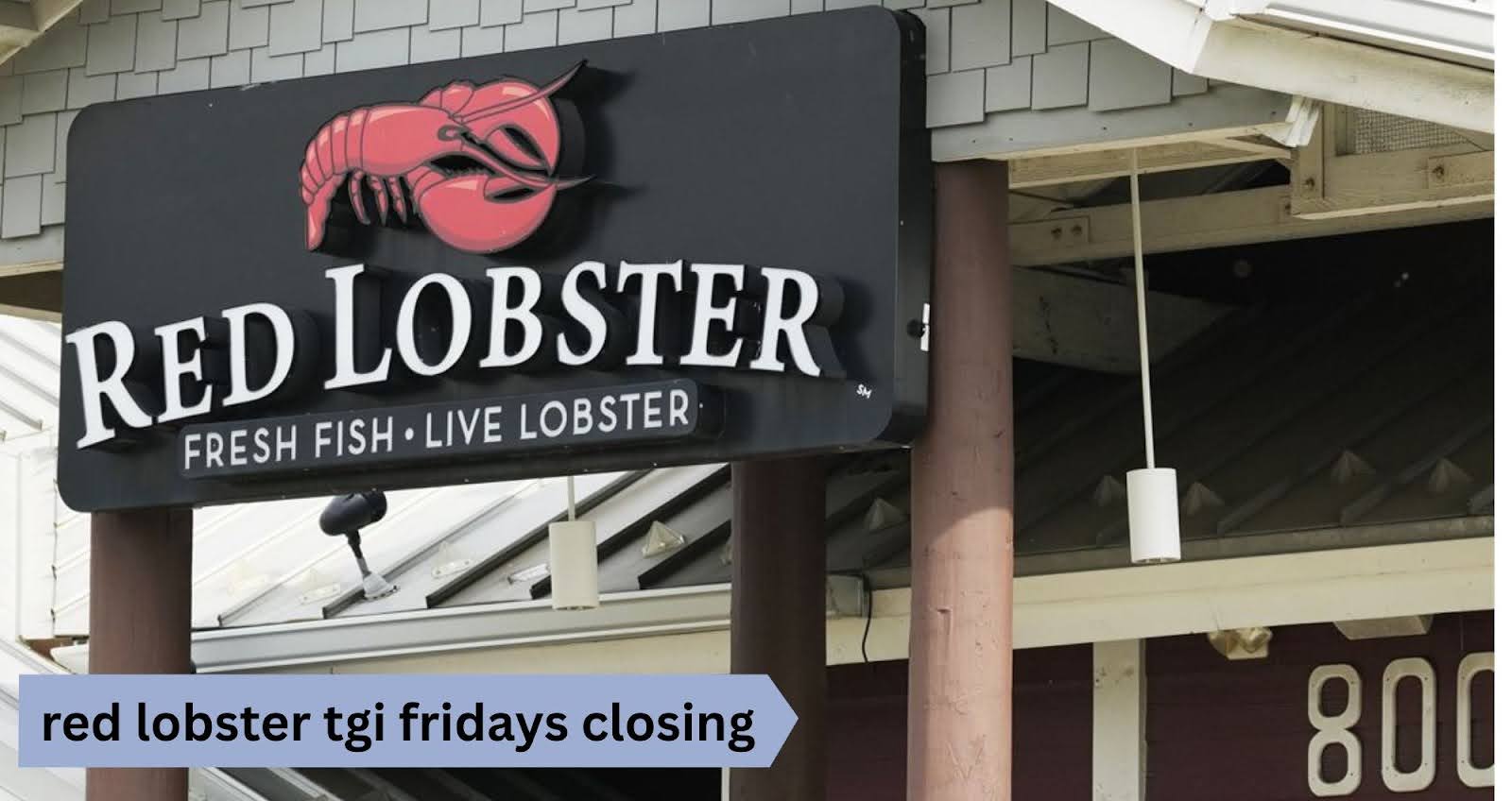
The restaurant industry is facing a significant shake-up in 2024, with notable names like Red Lobster and TGI Fridays making headlines for their closures. This trend isn’t just limited to these beloved chains; many others are also succumbing to the pressures of an evolving market. As consumers shift their dining preferences and economic challenges loom, the landscape of our favorite eateries is changing rapidly.
As we dive into the reasons behind this wave of closures, it’s vital to understand how they affect employees, communities, and even our own dining choices. The closure of iconic brands can leave a palpable void in localities where families have gathered for generations over steaming plates and lively conversations.
Join us as we explore the key drivers behind these shifts in the restaurant scene, what’s replacing these closed locations, and how consumers are responding to this new reality. The fate of restaurants may be uncertain now more than ever—let’s uncover what’s at play beneath the surface.
Overview of Restaurant Chain Closures 2024
The year 2024 has brought a wave of closures across the restaurant industry. Iconic chains that once filled our screens and dining tables are shutting their doors, leading to widespread concern among fans and employees alike. Red Lobster, TGI Fridays, and several others have announced plans to close locations nationwide.
These closures reflect broader trends within the food service sector. Many restaurants are struggling to adapt to shifting consumer preferences as more diners lean towards fast-casual options or delivery services. This change in behavior is a direct response to convenience over tradition.
Additionally, inflationary pressures continue to impact operational costs for many establishments. Rising prices for ingredients, labor shortages, and increased competition create an environment where sustaining profitability becomes increasingly difficult.
The pandemic also left lasting scars on the industry. Many brands never fully recovered from temporary shutdowns and lost revenue streams during crucial times. As they attempted recovery strategies, some found it challenging to reestablish themselves in a changed market landscape.
As we look closely at these closures throughout the year, it’s clear that significant factors contribute beyond just brand loyalty or customer dissatisfaction—transformations regarding how people dine now play a critical role in shaping which restaurants remain viable.
Key Brands Affected by Restaurant Chain Closures 2024
The restaurant industry is facing significant challenges in 2024, leading to the closure of several well-known chains. Among these brands are Red Lobster and TGI Fridays, which have long been popular dining destinations for families and friends alike. Their closures reflect broader trends affecting casual dining establishments.
Red Lobster has struggled with declining foot traffic over recent years. Despite its iconic status as a seafood haven, it faces stiff competition from fast-casual options that offer similar dishes at lower prices. The economic climate has only exacerbated their struggles.
TGI Fridays also finds itself on shaky ground this year. Once celebrated for its lively atmosphere and diverse menu, the chain has faced financial difficulties stemming from changing consumer preferences and rising operational costs. As diners opt for more affordable or unique dining experiences, Fridays’ traditional offerings have become less appealing.
Other notable chains like Ruby Tuesday and Cheeseburger in Paradise are also shuttering locations across the country. Consumers increasingly favor quick-service restaurants or gourmet fast-food options—trends these established brands have failed to adapt to effectively.
As these key players exit the market, it’s evident that many beloved restaurants are grappling with an evolving landscape where adaptability is crucial for survival.
Why Restaurant Chain Closures 2024 Are on the Rise
The restaurant industry is facing unprecedented challenges in 2024. Many beloved chains are shuttering their doors, leading to a wave of closures that’s hard to ignore. The reasons behind this trend are multifaceted and alarming.
Consumer preferences have shifted significantly. Diners increasingly seek unique dining experiences over traditional chain offerings. This change has put pressure on established brands like Red Lobster and TGI Fridays, which struggle to attract customers who favor more personalized options.
Rising operational costs contribute heavily to the strain on these chains. Inflation has driven up food prices and labor costs, making it difficult for restaurants to maintain profitability while keeping menu prices competitive. For many franchises, cutting corners isn’t an option when quality expectations remain high.
Additionally, increased competition from fast-casual establishments presents another hurdle. These venues often provide fresh ingredients with quicker service at lower price points—factors that entice diners away from classic sit-down formats.
Economic uncertainty also plays a critical role in reducing foot traffic at restaurants nationwide. As consumers tighten budgets amidst fluctuating market conditions, discretionary spending on dining out diminishes further impacting sales for major chains across the country.
Economic and Industry Factors Behind Restaurant Chain Closures 2024
The restaurant industry is currently facing significant challenges that have led to closures in 2024. Rising food costs are one of the most pressing issues. Prices for ingredients such as meat, dairy, and produce continue to climb due to supply chain disruptions and inflationary pressures. This squeeze on margins forces many chains like Red Lobster and TGI Fridays to reconsider their operations.
Labor shortages also play a pivotal role in these closures. Many restaurants struggle to find and retain employees amid rising wage demands. With competition from other sectors offering similar pay but less demanding hours, the restaurant labor market remains tight. This shortage impacts service quality and can deter customers from returning.
Changing consumer preferences further complicate matters. Shifts toward healthier eating habits or sustainable dining options mean traditional chains must adapt quickly or risk losing relevance in a crowded marketplace. Brands that fail to innovate often find themselves left behind as diners opt for newer concepts.
Economic downturns contribute significantly as well. When consumers face financial uncertainty, discretionary spending decreases; dining out becomes a lower priority for many families trying to cut back on expenses.
Increased competition from fast-casual dining establishments has reshaped consumer expectations around speed, convenience, and value—leaving some established chain restaurants scrambling to keep up with evolving trends.
Impact of Restaurant Chain Closures 2024 on Employees and Communities
The impact of restaurant chain closures in 2024 is significant, especially for employees. Many workers face sudden job loss as popular establishments like Red Lobster and TGI Fridays shut their doors. This situation puts immense financial pressure on individuals who rely on these jobs to support their families.
Communities also feel the sting when long-standing restaurants close down. These eateries are often integral parts of local culture and social life, providing a familiar spot for gatherings, celebrations, or casual dining experiences. When they disappear, there’s a void that can’t be easily filled.
In addition to the immediate job losses, the ripple effect extends to suppliers and other businesses reliant on these chains. Local farmers, beverage distributors, and service providers may experience decreased demand as fewer customers dine out at established brands.
For many communities already struggling economically, such closures exacerbate existing issues by reducing employment opportunities and tax revenues needed for public services.
Moreover, with reduced foot traffic in affected areas comes an increase in vacancy rates for commercial properties. This decline can lead to further disinvestment from neighborhoods previously thriving with bustling restaurant activity.
What’s Replacing Closed Locations After Restaurant Chain Closures 2024
As major chains like Red Lobster and TGI Fridays close their doors, new opportunities arise in the restaurant landscape. Independent eateries and local chains are stepping up to fill the void left by these closures. Many consumers are eager to support neighborhood businesses that offer unique dining experiences.
Ghost kitchens have also gained traction in urban areas following these closures. These delivery-only restaurants allow culinary entrepreneurs to operate without the overhead of a traditional brick-and-mortar space. With consumer demand for convenience skyrocketing, ghost kitchens provide an effective solution.
Health-conscious options are on the rise as well. As diners become more aware of nutrition and wellness, many new establishments focus on clean eating, organic ingredients, and plant-based menus. This shift aligns with current trends toward healthier lifestyles.
Furthermore, diverse cuisines are making their mark in communities once dominated by chain restaurants. From authentic ethnic cuisine to innovative fusion dishes, these replacements cater to adventurous palates looking for something fresh and exciting.
Some former chain locations may be transformed into multi-concept spaces or food halls where various vendors can coexist under one roof. This model appeals to consumers seeking variety while providing a platform for smaller brands to thrive together.
How Consumers Are Reacting to Restaurant Chain Closures 2024
As news of restaurant chain closures spreads, consumers are expressing a mix of disappointment and concern. Many patrons have built memories around iconic brands like Red Lobster and TGI Fridays. The thought of losing these familiar dining spots triggers nostalgia for many.
Social media platforms are buzzing with reactions. Customers share their favorite dishes, recounting special moments spent with family and friends at these establishments. Hashtags dedicated to the closures emerge, creating online communities focused on reminiscing about beloved meals that may soon be unavailable.
There is also frustration among loyal customers who feel abandoned by companies that once thrived in their neighborhoods. Some express anger over perceived mismanagement or failure to adapt to changing consumer preferences, leading to the eventual decline of these chains.
Meanwhile, others see this as an opportunity for local eateries to flourish. Consumers are increasingly looking for unique dining experiences instead of corporate chains. This shift indicates a growing appetite for supporting small businesses over large corporations.
In response to these changes, food bloggers and influencers encourage followers to explore new culinary options within their communities. This trend illustrates how consumer behavior evolves alongside industry dynamics as people seek alternatives after disappointing closures.
Lessons for the Food Industry from Restaurant Chain Closures 2024
The recent wave of restaurant chain closures in 2024 serves as a crucial learning opportunity for the food industry. Understanding these lessons can help prevent future downturns and foster resilience.
First, adaptability has emerged as a key trait for survival. Chains that failed to pivot quickly toward changing consumer preferences or economic realities faced dire consequences. Embracing flexibility in menu offerings and dining experiences is essential.
Second, maintaining strong financial health should be a priority. Many chains struggled due to high debt levels and insufficient cash flow management. Restaurants must reassess their financial strategies to ensure sustainable growth during challenging times.
Third, customer engagement plays an increasingly vital role in brand loyalty. Chains that didn’t prioritize customer feedback or use data analytics effectively saw declining patronage. Establishing open lines of communication with diners can enhance loyalty and retention.
Fourth, operational efficiency cannot be overlooked. Streamlining processes while reducing waste helps maintain profitability even when sales dip. Investing in technology could streamline operations significantly.
Fostering community relationships is paramount for long-term success. Brands that connect with local communities build trust and recognition, which can bolster support during tough periods unlike those feeling disconnected from their clientele.
Can Restaurant Chain Closures 2024 Be Prevented in the Future?
Preventing future restaurant chain closures is a complex challenge. It requires understanding the shifting landscape of consumer preferences and adapting to new trends. As diners increasingly seek unique, local experiences over traditional chains, restaurants must rethink their offerings.
One key approach could be innovation in menu design. Chains that adapt to health-conscious choices or sustainable sourcing can attract modern consumers who prioritize quality and ethics. This shift may help retain loyal customers while drawing in new ones.
Another crucial factor is technology integration. Streamlining operations through tech solutions such as online ordering and delivery services can enhance customer engagement. By investing in digital platforms, chains like Red Lobster and TGI Fridays could reach more patrons effectively.
Financial management also plays a vital role in preventing closures. Restaurants need robust strategies for managing costs, particularly during economic downturns when discretionary spending often decreases. A proactive financial plan helps sustain operations even during challenging times.
Listening to employees and communities is essential for long-term sustainability. Engaging with staff about challenges they face allows restaurant leaders to make informed decisions that reflect actual needs on the ground level.
Outlook: What to Expect After Restaurant Chain Closures 2024
As we look ahead after the wave of restaurant chain closures in 2024, including significant names like Red Lobster and TGI Fridays, several trends begin to emerge. The landscape of dining is likely to shift dramatically in response to these closures. We can expect an upsurge in independent eateries and local chains as they rise to fill the void left by larger corporations.
Consumers may gravitate toward more unique dining experiences that offer a personal touch—a stark contrast from uniform franchise offerings. This could lead to a renaissance of regional cuisines and innovative food concepts that cater directly to community tastes.
Digital innovation will also play a crucial role moving forward. Many restaurants are investing in technology for online ordering, delivery services, and enhanced customer engagement through apps and social media platforms. These advancements might redefine how consumers interact with their favorite dining spots.
Moreover, sustainability will be at the forefront as new establishments open their doors. Eco-conscious diners are pushing brands towards sustainable practices such as farm-to-table sourcing or zero waste initiatives, prompting new companies to adopt these values from the outset.
Industry experts suggest that ongoing economic challenges may continue shaping consumer behavior regarding eating out versus cooking at home. Restaurants that adapt quickly—whether through menu diversification or pricing strategies—will stand a better chance of thriving amidst this changing environment.
The future holds promise for those willing to innovate while honoring community ties and environmental responsibilities. Keeping an eye on these shifts will be essential for anyone invested in the culinary world today.