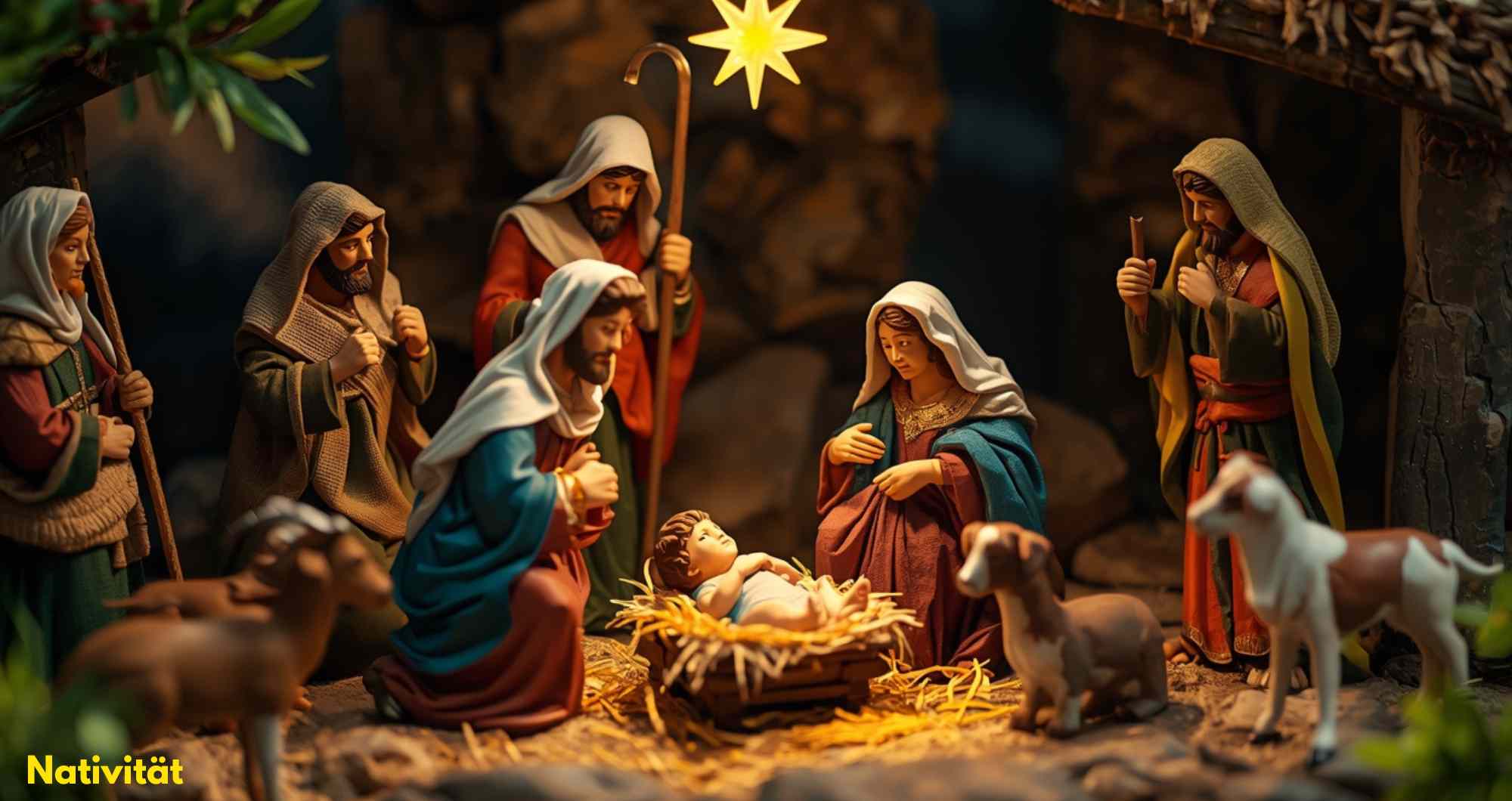
Nativität, a term that resonates deeply in many cultures, evokes images of warmth, family gatherings, and the celebration of life’s most profound moments. It goes beyond just a word; it encapsulates centuries of tradition and meaning. With roots steeped in history and rich religious significance, nativität has woven itself into the fabric of societies worldwide.
As we venture through this exploration, we’ll uncover not only its definition but also its historical origins and cultural importance across different countries. From art to music to traditional celebrations, nativität influences myriad aspects of our lives today. Join us as we delve into the symbolism behind this cherished concept and discover why nativität continues to hold relevance in contemporary society. Whether you’re familiar with its traditions or encountering them for the first time, there’s much to learn about this beautiful expression of humanity’s shared experiences.
What Is nativität?
Nativität, derived from the Latin word “nativitas,” translates to “birth” or “nativity.” It primarily refers to the birth of Jesus Christ, celebrated by Christians around the world. This term embodies a deeper spiritual meaning that transcends mere birth; it symbolizes hope, renewal, and divine presence.
In Christian tradition, nativität is most commonly associated with Christmas. It marks the arrival of Jesus into the world in humble surroundings—born in a stable and laid in a manger. This narrative emphasizes themes of humility and love that resonate throughout various cultures.
The concept also extends beyond Christianity. Many societies acknowledge significant births as pivotal moments reflecting new beginnings and transformations. Nativität serves as a universal reminder of life’s fragility and beauty.
Additionally, nativität encompasses various customs and traditions tied to celebrating these significant births across different cultures. From nativity scenes depicting biblical stories to festive gatherings filled with joy, its manifestations are diverse yet interconnected.
At its core, nativität represents more than just an event; it captures humanity’s enduring quest for connection, family, and faith during times of reflection and celebration.
Historical Origins of nativität
The concept of nativität, or nativity, traces its roots back to ancient traditions surrounding the birth of significant figures. It is closely linked to the Christian celebration of Jesus Christ’s birth, which is documented in biblical texts. The Nativity scene, depicting this sacred event, emerged prominently during the Middle Ages.
Religious leaders began to illustrate and dramatize these narratives as a way to engage congregations. This resulted in the development of elaborate nativity plays that depicted not only the Holy Family but also an array of characters such as shepherds and wise men. Such performances were instrumental in spreading awareness about Christ’s teachings.
By the 13th century, Saint Francis of Assisi popularized live nativity scenes with real animals and people acting out roles. His initiatives aimed at making spiritual stories more accessible and relatable for everyone. As Christianity spread throughout Europe, local customs intertwined with traditional depictions further enriching nativität celebrations.
As time progressed, various regions adapted their unique interpretations influenced by cultural nuances and practices. Today’s understanding encompasses both religious reverence and festive joy associated with family gatherings during Christmas season festivities across different cultures worldwide.
This rich historical tapestry highlights how deeply embedded nativität has become within societal traditions over centuries.
Religious Significance of nativität
Nativität, or nativity, holds profound religious significance primarily within Christianity. It represents the birth of Jesus Christ, a pivotal event celebrated annually on December 25th. This moment is central to Christian beliefs and teachings.
The Nativity story unfolds in the Gospels of Matthew and Luke, detailing Mary and Joseph’s journey to Bethlehem. Their humble surroundings highlight themes of humility and divine intervention. The arrival of angels announcing Jesus’ birth signifies hope for humanity.
In many Christian denominations, Nativität marks the beginning of Advent—a season focused on preparation for celebrating Christ’s coming into the world. This festive period encourages believers to reflect on their faith and spiritual readiness.
Beyond its biblical roots, nativität also emphasizes love, peace, and goodwill among people. Churches often depict this scene through various traditions like creches or live reenactments during Christmas time.
For numerous congregations worldwide, Nativitätsfeiern (Nativity celebrations) are integral events that foster community ties while reinforcing core values rooted in Christian doctrine—compassion towards others being one prominent example.
Cultural Importance Across Countries
Nativität holds a diverse cultural significance across various countries, reflecting unique traditions and practices. In Germany, for example, the celebration of Christmas revolves around nativität scenes known as Krippen. These intricate displays bring to life the nativity story in homes and public squares alike.
In Latin America, particularly in Mexico and Guatemala, Las Posadas is an essential tradition during Advent. This reenactment of Mary and Joseph’s search for lodging involves community gatherings filled with song, food, and processions that highlight unity among neighbors.
Italy embraces its rich heritage through elaborate presepi or nativity scenes that often include local landmarks. The artistry involved showcases regional craftsmanship while emphasizing the importance of family during this festive season.
Across Eastern Orthodox cultures like Greece and Russia, nativität takes on profound spiritual meaning. Celebrations occur on January 7th according to the Julian calendar—marked by church services that convey deep reverence for Christ’s birth.
Even in non-religious contexts, nativität can represent themes such as hope and new beginnings worldwide. Its adaptability allows it to resonate with people from all walks of life while preserving traditional values within modern society.
Symbolism in nativität Traditions
Symbolism plays a vital role in nativität traditions, enriching the experience and deepening understanding. Each element in the nativity scene carries its own meaning, contributing to the overarching narrative of new beginnings and hope.
The figures themselves are symbolic. Mary represents purity and motherhood, while Joseph embodies humility and protection. The infant Jesus signifies not just birth but also divine presence on Earth. Together, they convey themes of love, compassion, and sacrifice.
Animals often appear in these scenes too. The donkey symbolizes humility; it is a creature associated with hard work yet low status. The sheep represent innocence and vulnerability, highlighting humanity’s need for guidance.
Stars hold great significance as well; they serve as beacons guiding people toward enlightenment or truth. In many cultures, stars symbolize divine intervention or celestial blessings during this sacred time.
Natural elements like hay or straw signify simplicity and nourishment—both physical and spiritual. They remind believers that true wealth lies not within material possessions but rather through faith and community connections formed during nativität celebrations.
nativität in Art and Literature
Nativität has long inspired artists and writers, serving as a rich source of creativity. From ancient times to modern interpretations, the theme resonates deeply in various artistic expressions. Visual art often captures the serene beauty of nativity scenes, depicting Mary, Joseph, and baby Jesus with breathtaking detail.
One prominent example is the painting “The Nativity” by Italian artist Giotto. His work showcases soft colors and heartfelt emotion, bringing viewers closer to this pivotal moment in Christian history. Each brushstroke invites admiration for both the subject matter and artistry involved.
Literature also plays a vital role in exploring nativität themes. Classic works like Charles Dickens’ “A Christmas Carol” delve into redemption during the holiday season while indirectly referencing nativity concepts. These narratives remind readers about compassion and hope.
Poetry further enriches discussions surrounding nativität, with poets like John Milton capturing its essence beautifully through verse. The imagery evokes feelings of warmth that resonate across generations.
Modern literature continues to embrace these timeless motifs. New stories reinterpret traditional elements but maintain core values tied to love, family, and rebirth associated with nativität traditions throughout history.
nativität in Music and Performance
Nativität has inspired a rich tapestry of music and performance across cultures. This theme often takes center stage during the Christmas season, where it serves as both an artistic expression and a spiritual celebration.
Many classical compositions have drawn from nativität narratives. Renowned figures like Johann Sebastian Bach and George Frideric Handel crafted works that reflect the serene beauty of nativity scenes, imbuing their music with deep emotion and reverence.
In popular culture, nativität manifests in contemporary songs performed by various artists. These pieces range from joyful carols to solemn hymns, each capturing different facets of the nativity story. The melodies resonate with audiences worldwide, reinforcing themes of hope and renewal.
Theatrical performances also embrace nativität through live nativity plays or pageants. These events recreate biblical scenes with actors portraying key figures such as Mary, Joseph, and the shepherds. Audiences are transported to ancient Bethlehem through these vivid reenactments.
Moreover, dance troupes often incorporate elements of nativität into their choreography. Through movement, they express the emotional depth found within this timeless story while engaging viewers on multiple sensory levels.
Traditional Celebrations of nativität
Traditional celebrations of nativität are rich in customs and rituals that vary across cultures. In many countries, the Christmas season is a time when families come together to create nativity scenes, depicting the birth of Jesus Christ. These scenes often feature figurines of Mary, Joseph, baby Jesus, shepherds, and angels.
In Germany and other parts of Europe, Advent calendars mark the countdown to Christmas. Each day reveals a small gift or chocolate leading up to December 25th. This tradition amplifies anticipation for both nativität and family gatherings.
Midnight Mass on Christmas Eve holds special significance in several Christian communities worldwide. Attending this service symbolizes spiritual readiness for celebrating Jesus’s birth. It brings together congregations for prayer and reflection during this sacred time.
Festive meals also play an important role in nativität celebrations. Traditional dishes vary by region but often include roasted meats, pastries like stollen or panettone, and various sweets that have become holiday staples.
Caroling is another cherished custom associated with these festivities. Groups often gather to sing hymns dedicated to the nativity story while spreading joy through their neighborhoods during this magical season.
Modern Interpretations of nativität
Modern interpretations of nativität have evolved significantly, reflecting contemporary values and societal changes. Today, many artists and creators reinterpret the nativity scene to include diverse representations of families. This shift highlights inclusivity, showing that love and unity come in various forms.
The traditional figures are often reimagined with different ethnicities, cultures, and backgrounds. These adaptations help people connect more personally with the narrative while celebrating global diversity. This evolution also seeks to challenge stereotypes associated with the original depictions.
In literature and film, nativität themes appear in innovative stories that emphasize compassion over dogma. Writers explore characters who embody the spirit of giving or sacrifice during times of crisis—mirroring Mary and Joseph’s journey but set against modern struggles like immigration or social injustice.
Digital art has given rise to interactive nativity displays where audiences can engage directly with the story. Virtual reality experiences allow participants to immerse themselves in this age-old tale from new perspectives.
Social media platforms play a crucial role too; users share personal narratives inspired by nativität traditions across cultures. This sharing fosters community through shared values such as hope, kindness, and resilience during challenging times.
Common Misconceptions About nativität
Many people associate nativität solely with Christmas. While it does celebrate the birth of Jesus Christ, its meaning and significance extend beyond this single event. Nativität encompasses a broader theme of new beginnings, hope, and spiritual renewal.
Another common misconception is that nativität traditions are uniform across cultures. In reality, various countries incorporate unique customs into their celebrations. From elaborate nativity scenes in Italy to live reenactments in Mexico, each culture adds its own flavor to the observance.
Some believe that nativität only appeals to religious communities. However, many secular individuals appreciate the themes of compassion and generosity inherent in these traditions. This universal message resonates with diverse audiences around the globe.
People often overlook the role of art and music in depicting nativität stories. Various artistic expressions—such as paintings, sculptures, and carols—serve not just to entertain but also convey deep meanings associated with faith and community values.
There’s a notion that modern interpretations dilute traditional teachings. Yet contemporary renditions can foster inclusivity while maintaining core messages about love and togetherness during this festive season.
Why nativität Remains Relevant Today
Nativität continues to hold significance in our modern world, transcending its historical roots and religious origins. As societies evolve, the themes of hope, rebirth, and community found within nativität resonate deeply with people from various backgrounds. These universal messages foster a sense of unity during challenging times.
The celebration of nativität encourages individuals to reflect on their values and relationships. It serves as a reminder to prioritize love, compassion, and togetherness amid life’s chaos. The stories associated with nativität inspire kindness and generosity—not just during festive seasons but throughout the year.
Moreover, contemporary interpretations have allowed for inclusivity in celebrating these traditions. Different cultures adapt elements of nativität into their unique practices while retaining core messages that connect us all. This evolution ensures that each generation finds relevance in the customs passed down through time.
As arts—be it music or visual expression—continue to draw inspiration from nativität narratives, new audiences discover its depth anew. In this way, nativität is not merely an event; it embodies ongoing cultural dialogue reflecting our shared human experience.
With increasing global interconnectedness fostering diverse exchanges among communities worldwide, the essence of nativität remains vital in bridging gaps between different beliefs and perspectives today.