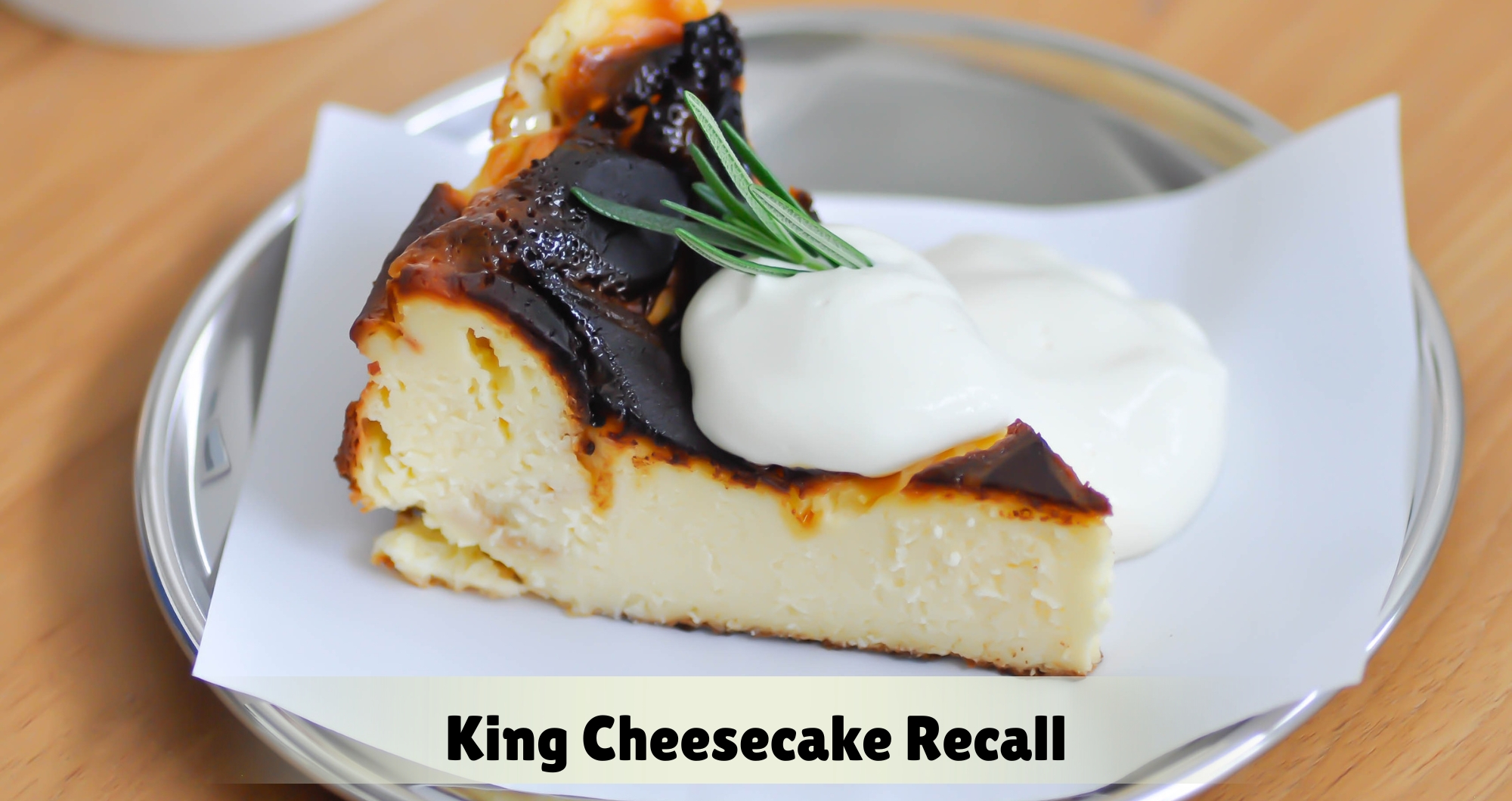
The King Cheesecake Recall of 2026 has sent shockwaves through dessert lovers everywhere. If you’ve indulged in these decadent treats recently, it’s crucial to pay attention. The recall stems from potential salmonella contamination linked to their pecan products—something that could put your health at risk. With reports emerging and alerts being issued, we’ll break down everything you need to know about the situation, including which products are affected and what steps you should take if you’ve purchased them. Stay informed and protect yourself as this story unfolds!
The king cheesecake recall 2026 was issued due to possible Salmonella contamination linked to pecan products used in certain cheesecakes. The FDA classified it as a high-risk recall, meaning it could cause serious illness. Consumers are advised to avoid affected products and follow official safety and refund instructions immediately.
What Is the King Cheesecake Recall 2026
The King Cheesecake Recall 2026 is a significant alert regarding possible contamination in certain products. The recall was initiated due to concerns over salmonella, a harmful bacteria that can cause foodborne illness. Consumers are urged to check their refrigerators and freezers for affected items.
This recall specifically targets cheesecakes containing pecan ingredients, which may have been compromised during production. The FDA has identified these specific products as potentially dangerous for consumption.
As the situation develops, it remains vital for consumers to stay updated on the latest information provided by health authorities and the company itself. Ensuring your safety means being proactive about what you consume and understanding any potential risks involved with recalled foods.
Why the King Cheesecake Recall Was Issued
The King Cheesecake Recall was issued due to potential contamination with Salmonella, a harmful bacterium known for causing serious gastrointestinal illness. The recall stems from concerns related to the pecan ingredients used in their cheesecakes. Testing by the FDA revealed that some batches contained traces of this bacteria.
This alarming discovery prompted both the manufacturer and regulatory agencies to act swiftly. Protecting consumers is paramount, especially when foodborne illnesses can lead to severe health risks.
As part of standard safety protocols, a recall ensures that affected products are removed from store shelves and consumers are informed about potential dangers. Transparency in such situations helps maintain public trust while safeguarding health and wellbeing.
Salmonella Risk in Pecan Products Explained
Salmonella is a bacteria that can cause serious foodborne illness. It often contaminates raw foods, including nuts like pecans. When consumed, salmonella can lead to symptoms such as diarrhea, fever, and abdominal cramps within hours or days.
Pecan products are particularly susceptible due to their growing conditions and handling processes. If the nuts come into contact with contaminated soil or water, they may harbor harmful bacteria. This risk increases if proper hygiene measures aren’t followed during preparation.
In the case of the King Cheesecake recall, specific batches were found to contain salmonella in their pecan ingredients. Consumers should be aware of this danger when purchasing desserts containing these nuts and stay informed about any recalls related to them.
FDA Warning and Recall Classification Details
The FDA has issued a formal warning regarding the King Cheesecake recall, categorizing it as a Class I recall. This classification indicates that there is a reasonable probability that consuming these products could lead to serious health consequences or even death.
In their announcement, the FDA emphasized the potential for salmonella contamination in pecan ingredients used within various cheesecake products. They urged consumers to check labels and be vigilant about any recalled items they may have purchased.
Retailers are required to remove affected products from store shelves immediately. The FDA continues to monitor the situation closely and will provide updates as new information becomes available. Keeping informed is crucial during such recalls to ensure consumer safety.
Full List of Affected King Cheesecake Products
The King Cheesecake recall has impacted a variety of products, primarily those containing pecans. Consumers should be aware of the specific items affected to ensure their safety.
Among the recalled products are several cheesecake varieties, including Classic Pecan and Chocolate Pecan Swirl. Additionally, any specialty cheesecakes with pecan toppings or fillings are included in this recall.
It is essential to check packaging for batch numbers that fall within the specified recall dates. If you have purchased any of these items recently, please keep them stored safely until you can confirm whether they are part of the affected list.
Where the Recalled Products Were Sold
The recalled King Cheesecake products were distributed widely across the United States. Major grocery chains, specialty food stores, and online retailers have been involved in selling these items. This extensive distribution network increases the risk of consumers unknowingly purchasing contaminated products.
Specific retailers that carried the affected cheesecakes include large supermarkets and local bakeries known for their desserts. Some online platforms also listed these products, making it even easier for customers to access them without realizing the potential danger.
If you frequently shop at any major supermarket or order food online, it’s essential to check your purchases against the recall list. Being aware of where these cheesecakes were sold can help protect you and your family from possible health risks related to salmonella contamination.
Symptoms of Salmonella Infection You Should Know
Salmonella infection can manifest with several symptoms, often beginning six hours to six days after exposure. Common signs include diarrhea, fever, and abdominal cramps. These symptoms usually last between four to seven days.
Some individuals may also experience nausea and vomiting. In severe cases, dehydration can occur due to persistent diarrhea. It’s crucial to stay hydrated if you suspect an infection.
While most healthy adults recover without treatment, certain populations are at greater risk for complications. This includes young children, older adults, pregnant women, and those with weakened immune systems. If you or someone you know exhibits severe symptoms or persists beyond a week, seek medical attention promptly.
Who Is Most at Risk From Contaminated Products
Certain groups of people are more vulnerable to the dangers associated with contaminated food products, including those affected by the King Cheesecake recall. Young children, especially infants, have developing immune systems that can struggle to fight off infections like salmonella.
Pregnant women also face increased risks. They may experience severe symptoms if infected, which can affect both their health and that of their unborn child. Older adults tend to have weakened immune systems as well, making them more susceptible to complications from foodborne illnesses.
Individuals with chronic health conditions or compromised immune systems should be particularly cautious. This group includes those undergoing treatments such as chemotherapy or individuals living with diseases like diabetes or HIV/AIDS. Awareness is key for these populations during recalls and outbreaks.
What to Do If You Purchased Recalled Cheesecake
If you purchased any of the recalled King Cheesecake products, the first step is to stop eating them immediately. Consuming these products poses a serious health risk due to potential salmonella contamination.
Next, check your refrigerator or freezer for any packaging. If you find a product that matches the recall details, discard it safely to prevent accidental consumption by anyone in your household.
Then, consider reaching out to the retailer where you bought the cheesecake. Many stores offer refunds or exchanges for recalled items. Keep your receipt handy as proof of purchase; this will help facilitate the return process more smoothly.
Can You Get a Refund or Return the Product
If you purchased any affected King Cheesecake product, you may be eligible for a refund. Most retailers are offering full refunds to customers who return the recalled items. It’s essential to keep your receipt as proof of purchase, which will facilitate the return process.
For online purchases, check with the retailer’s website or customer service for specific instructions on how to initiate a return. Many stores have streamlined their processes in light of food recalls and may offer easy shipping options.
Be sure to act quickly. The sooner you reach out, the better your chances of receiving a refund without hassle. Always follow local guidelines when returning food products; this helps ensure public safety remains a priority during such incidents.
Why the King Cheesecake Recall Is Trending Right Now
The King Cheesecake recall is trending due to a significant public health concern. Reports of potential salmonella contamination have raised alarms among consumers and health officials alike. Social media platforms are buzzing with discussions, warnings, and personal stories about the implications of this recall.
News outlets have picked up on the story, amplifying its reach beyond just affected customers. People are eager for information regarding safety measures and product lists as they navigate their recent purchases. The urgency around food safety has made this issue even more pressing.
In addition to heightened consumer awareness, many are sharing tips on how to avoid contaminated products in the future. This increased vigilance reflects a growing trend toward prioritizing foodborne illness prevention among shoppers today.
How Food Recalls Like This Happen
Food recalls occur when products are found to be unsafe for consumption. Various factors can trigger a recall, including contamination during production or distribution. In the case of King Cheesecake, tests likely revealed the presence of harmful bacteria.
Regulatory bodies like the FDA monitor food safety through inspections and testing. When issues arise, manufacturers must notify the authorities promptly. This helps protect consumers from potential health risks associated with contaminated products.
Consumer complaints can also initiate investigations leading to recalls. If multiple reports point to adverse reactions after consuming a product, companies may take immediate action to ensure public safety. Transparency in these situations is crucial for maintaining consumer trust and confidence in food systems.
How to Stay Safe From Foodborne Illness
To stay safe from foodborne illnesses, practice proper hygiene when handling food. Always wash your hands with soap and water before preparing meals and after using the restroom. Clean surfaces and utensils thoroughly to avoid cross-contamination between raw foods and ready-to-eat items.
Proper cooking temperatures are crucial. Use a food thermometer to ensure meats reach safe internal temperatures: 165°F for poultry, 145°F for fish, and 160°F for ground meats. This will help eliminate harmful bacteria that can cause illness.
Be cautious about food storage. Refrigerate leftovers promptly within two hours of serving them to keep bacterial growth at bay. Keep your refrigerator at or below 40°F and consume perishable items within their recommended timeframes for maximum safety.
Frequently Asked Questions About King Cheesecake Recall
The King Cheesecake recall has raised numerous questions among consumers. Here are some of the most frequently asked queries regarding this issue.
What specific products are included in the recall? The affected items primarily include various flavors of King Cheesecake featuring pecans or pecan toppings, which have been linked to potential contamination.
How can I know if my cheesecake is affected? Check for product codes and labels on your packaging against the official list provided by the FDA or retailer notifications to confirm if your item is part of the recall.
What should I do if I’ve consumed a recalled product? If you’ve eaten any potentially contaminated cheesecake and experience symptoms like diarrhea, fever, or abdominal cramps, seek medical attention promptly.
Is there an easy way to report adverse reactions? Yes. You can contact your healthcare provider and report any illnesses associated with consuming recalled products to local health authorities.
Will stores accept returns for recalled cheesecakes? Most retailers will allow you to return these items for a full refund. Be sure to keep receipts handy when returning products.
Staying informed about food recalls helps protect your well-being and that of others around you. Always stay vigilant when it comes to food safety news like the king cheesecake recall.