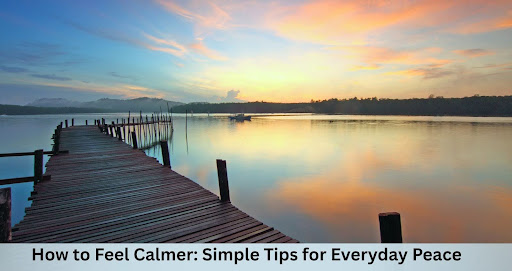
Life can often feel like a whirlwind. Between work deadlines, family responsibilities, and the constant buzz of social media, finding moments of peace may seem impossible. Yet, cultivating a calmer state of mind is not only desirable but achievable with simple strategies. Imagine waking up each day feeling composed and ready to tackle whatever comes your way.
Being calmer doesn’t mean ignoring stress or challenges; it means approaching them with clarity and resilience. When you embrace this mindset, daily chaos becomes more manageable. This blog post will explore various aspects that contribute to a calmer life—from understanding what being calm truly means to practical tips for incorporating tranquility into your routine.
Whether you’re seeking relief from anxiety or simply wish to enhance your overall well-being, these insights will guide you toward achieving greater peace in everyday life. Let’s embark on the journey together towards becoming a more centered version of yourself!
What Does It Mean to Be Calmer?
Being calmer often refers to a state of mental and emotional stability. It involves maintaining composure even when faced with stressors or challenges. This doesn’t imply that you won’t feel emotions; rather, it’s about how you respond to them.
A calm person tends to approach situations with clarity and confidence. Instead of reacting impulsively, they take a moment to assess the scenario before responding. This thoughtful response can prevent unnecessary conflict and promote healthier interactions.
Calmness also encompasses physical sensations, where one feels relaxed rather than tense or anxious. You might notice slower breathing rates and reduced muscle tension in those moments of tranquility. These physiological responses contribute significantly to overall well-being.
Moreover, being calmer enhances problem-solving abilities. When your mind is clear, you’re more equipped to think critically and find solutions rather than getting overwhelmed by issues at hand. A calm demeanor fosters creativity since it allows ideas to flow without the interruptions caused by anxiety.
In social settings, people who exude calmness tend to attract others naturally. Their presence creates a comforting atmosphere that encourages open communication and connection among peers.
Achieving this peaceful state requires practice but yields profound benefits for both personal health and relationships with others.
The Science Behind Feeling Calmer
Feeling calmer isn’t just a state of mind; it involves interesting scientific processes within our bodies. When we experience stress, our sympathetic nervous system kicks in, triggering the “fight or flight” response. This leads to elevated heart rates and increased adrenaline levels, making us feel anxious.
Conversely, when we engage in calming activities like deep breathing or meditation, our parasympathetic nervous system takes over. This shift promotes relaxation by lowering heart rates and releasing tension from muscles. Engaging with this side of our nervous system can significantly influence how calm we feel.
Research has shown that mindfulness practices can alter brain function. Studies using MRI scans reveal changes in areas responsible for emotion regulation during mindfulness exercises. Regular practice may even increase gray matter density in regions linked to emotional well-being.
Neurotransmitters also play an essential role in feelings of calmness. Serotonin and dopamine are often dubbed “feel-good” hormones because they contribute to happiness and peace of mind. Activities that enhance these neurotransmitters—like exercise or spending time outdoors—can foster a more tranquil mindset.
Hormones such as cortisol, known as the stress hormone, decrease with regular calming practices. Lower levels of cortisol correlate with reduced anxiety and improved overall health outcomes.
Understanding these scientific principles helps demystify why some people find it easier to remain calm under pressure than others do. Through simple lifestyle adjustments, anyone can harness science-based strategies to cultivate a calmer existence.
Daily Habits That Help You Stay Calmer
Establishing daily habits can significantly contribute to a calmer mindset. One powerful habit is starting your day with a morning routine. This could include stretching, meditation, or journaling. A consistent start helps set a positive tone for the rest of the day.
Physical activity also plays an essential role in maintaining calmness. Engaging in regular exercise releases endorphins, which are natural mood lifters. Even a brisk walk or yoga session can alleviate stress and promote relaxation.
Mindful breathing is another beneficial practice you can incorporate into your daily life. Taking just five minutes each day to focus on your breath allows you to center yourself and reduce anxiety levels. This simple technique can be done anywhere—at home, work, or even while commuting.
Limiting screen time is crucial too; excessive exposure to digital devices often leads to heightened stress levels due to information overload. Setting boundaries around technology use encourages deeper connections with yourself and others.
Incorporating moments of gratitude into your routine fosters positivity and peace of mind as well. Reflecting on what you’re thankful for shifts focus away from negativity, helping maintain emotional balance throughout chaotic days.
Prioritizing sleep cannot be overstated when discussing habits that foster calmness. Quality rest restores both body and mind, equipping you better handle daily challenges without becoming overwhelmed by stressors.
How Mindfulness Can Make You Calmer
Mindfulness is the practice of being present in the moment without judgment. It encourages you to observe your thoughts and feelings calmly, creating a sense of clarity amid chaos. This awareness can lead directly to a calmer state of mind.
When you focus on the here and now, distractions fade away. Stressful thoughts about past or future events lose their grip on you. Instead of getting swept up in anxiety, mindfulness allows for space between your emotions and reactions.
Research shows that mindfulness can lower cortisol levels, which are linked to stress. Regular practice helps retrain your brain to respond differently during challenging situations. You learn not just to react but also to reflect before acting.
Breathing exercises are an essential part of mindfulness techniques. Deep breathing activates the body’s relaxation response, calming both mind and body almost instantly. By concentrating on each breath, you anchor yourself in reality—making it easier to let go of worries.
Mindfulness practices such as meditation or yoga encourage self-compassion too. When you’re kinder to yourself during tough times, you’ll find it easier to maintain calmness instead of spiraling into frustration or anger.
Incorporating short moments of mindfulness throughout your day makes a significant difference over time. Whether it’s taking a few deep breaths while waiting in line or observing nature during a walk, these small actions accumulate into long-lasting peace and tranquility.
Foods and Lifestyles That Promote a Calmer Mind
What you eat plays a crucial role in how you feel. Certain foods can help promote a calmer mind, while others may heighten anxiety. Incorporating more whole grains, fruits, and vegetables into your diet is essential for mental well-being. These foods are rich in vitamins and minerals that support brain health.
Omega-3 fatty acids are particularly beneficial when it comes to promoting calmness. Found in fish like salmon and walnuts, they have been linked to lower levels of depression and anxiety. Including these fatty acids in your meals regularly can make a significant difference.
Herbs such as chamomile and lavender also contribute to feelings of relaxation. Chamomile tea is known for its soothing properties, making it an excellent choice before bedtime or during stressful moments throughout the day. Lavender oil can be used aromatically or topically for calming effects.
Lifestyle choices matter too. Regular physical activity releases endorphins, which naturally reduce stress levels. Aim for at least 30 minutes of exercise most days; even a brisk walk can elevate your mood significantly.
Sleep hygiene cannot be overlooked either. A good night’s rest restores energy and clarity, reducing irritability during the day. Create a sleep-friendly environment by keeping your bedroom cool and dark while avoiding screens before bed.
Mindful eating is another lifestyle practice worth exploring. Focus on what you consume without distractions like TV or smartphones; this enhances awareness of both hunger cues and food satisfaction—and promotes overall serenity as well!
Techniques to Become Calmer During Stressful Moments
When stress hits, your body often reacts with heightened emotions and physical tension. Recognizing this is the first step towards finding calmness in those overwhelming moments.
Breathing techniques can be transformative. Try taking slow, deep breaths. Inhale for a count of four, hold for four, then exhale for another count of four. This simple practice helps lower heart rate and promotes relaxation.
Grounding exercises are also effective during stressful times. Focus on your surroundings by identifying five things you can see, four you can touch, three you hear, two you smell, and one that tastes good. Engaging your senses distracts your mind from what’s causing stress.
Another useful technique is progressive muscle relaxation (PMR). Start at your toes and work up to the top of your head tensing each muscle group before releasing them. This method helps release built-up tension throughout the body.
Visualization plays a key role too; picture a serene place where you feel safe and relaxed—like a beach or forest glade. Spend a few moments immersing yourself in that imagery to help shift focus away from anxiety.
Mindful distractions can offer relief when stress feels overwhelming. Listen to calming music or engage in an activity like drawing or journaling to channel thoughts into something productive instead of spiraling into distressing feelings.
Calmer Communication: Staying Cool in Conflicts
Effective communication is key to maintaining a calmer demeanor during conflicts. When disagreements arise, it’s easy to let emotions take over. However, practicing calm communication can significantly reduce tension.
Start by taking deep breaths before responding. This simple act helps ground your thoughts and allows you to approach the situation with clarity. Pausing for a moment also gives you time to choose your words wisely instead of reacting impulsively.
Active listening plays a crucial role in calmer communication. Focus on truly understanding the other person’s perspective rather than simply waiting for your turn to speak. Acknowledging their feelings can foster mutual respect and lower defensiveness.
Using “I” statements rather than “you” statements can shift the tone of the conversation dramatically. For example, saying “I feel upset when…” is more effective than accusing someone with “You always…”. This small change promotes personal accountability while minimizing blame.
Non-verbal cues also matter greatly during conflicts. Maintain an open posture, steady eye contact, and a calm tone of voice. These signals show that you are engaged and willing to find common ground without escalating tensions further.
Knowing when to take a break can be essential for staying calm during heated discussions. If emotions run high, suggesting a pause allows everyone involved time to cool down and reflect before revisiting the topic later with clearer minds.
Long-Term Benefits of Living a Calmer Life
Living a calmer life offers numerous long-term benefits that extend beyond immediate stress relief. First and foremost, individuals who cultivate calmness often experience improved mental health. Regularly practicing techniques to feel calmer can lead to decreased anxiety levels, reduced symptoms of depression, and enhanced overall emotional well-being.
A calmer mindset also significantly boosts physical health. Chronic stress is linked to various health issues, including heart disease and high blood pressure. By embracing daily habits that promote calmness—like mindfulness or healthy eating—you lower these risks and support your body’s resilience against illness.
Additionally, the ability to remain calm in challenging situations enhances decision-making skills. When you approach problems with a clear mind rather than an anxious one, you are more likely to make thoughtful choices instead of reacting impulsively.
This state of tranquility fosters better relationships as well. People who communicate calmly tend to navigate conflicts more effectively, leading to stronger connections with friends, family members, and colleagues.
Living a calmer life cultivates greater self-awareness. You begin recognizing triggers for stress and can develop proactive strategies for managing them before they escalate into bigger issues.
Embracing calm not only enriches your personal experiences but also influences those around you positively—creating a ripple effect that promotes peace in your community too.